
Introduction
Virtual reality is rapidly advancing, and one of its most standout features is face-tracking technology in VR headsets. This innovation provides a more interactive and immersive experience, allowing users to engage more fully with virtual worlds. In this comprehensive guide, we will explore how face-tracking technology works, its significance in modern VR headsets, and what the future holds for this cutting-edge tech.
Understanding Face-Tracking Technology in VR Headsets
What is Face Tracking?
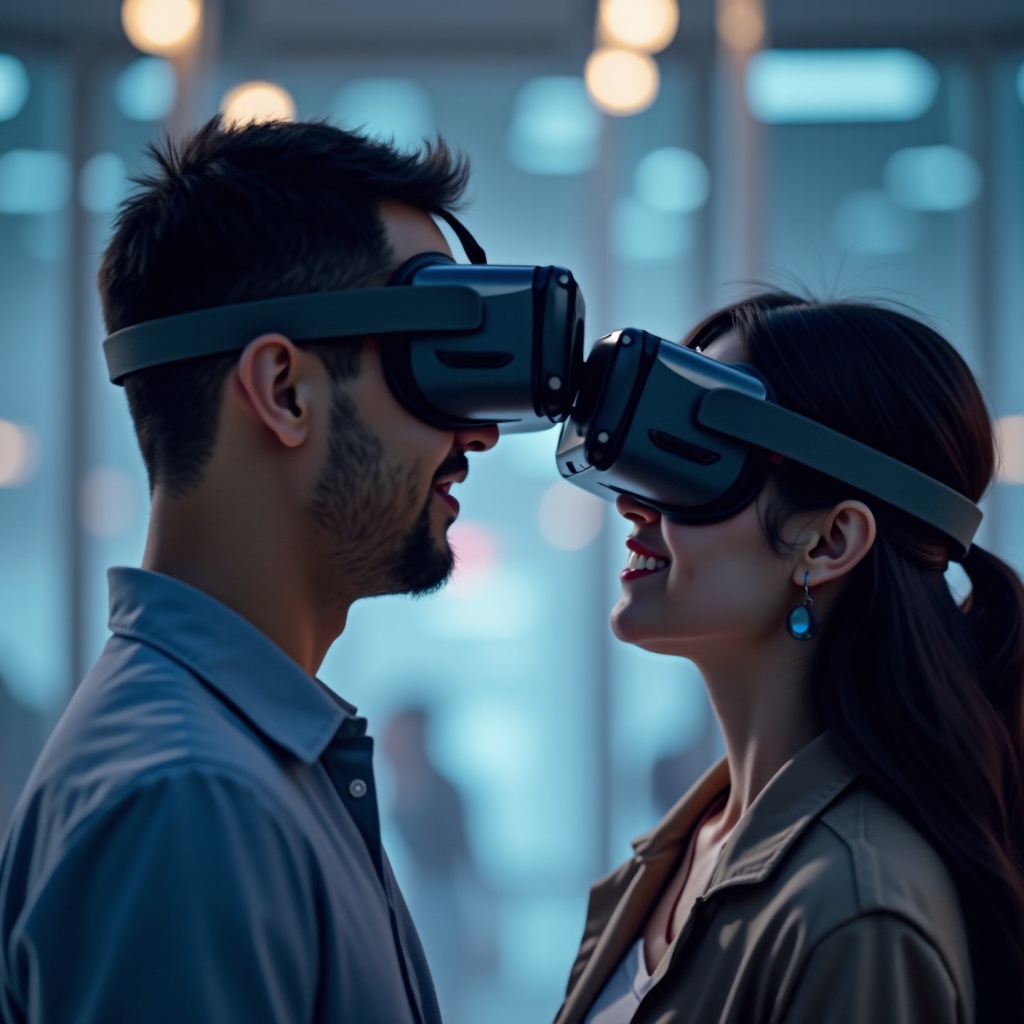
Face tracking in VR utilizes cameras and sensors to detect and analyze facial movements. The technology interprets these movements to render facial expressions and actions in virtual environments. This feature helps create more lifelike avatars, enhance communication within social VR settings, and provide intuitive interaction in various applications.
How Face Tracking Enhances VR
By capturing intricate facial expressions, face tracking adds a layer of depth and authenticity to virtual interactions. Participants can convey emotions like smiling or frowning naturally, enhancing experiences in multiplayer games and social VR platforms. It opens new possibilities for enriching user experiences in virtual meetings and training simulations.
The Importance of Face Tracking in Modern VR Headsets
Boosting Immersion and Interactivity
Face tracking significantly enhances user experience by transforming the way they interact with virtual environments. Instead of relying solely on hand movements or voice commands, VR systems with face tracking use facial expressions to create a deeper and more lifelike interaction. This boost in realism is a game-changer in bridging the virtual and real worlds.
Improving User Experience
For applications like virtual events and training simulations, interpreting facial expressions significantly elevates user engagement. It allows for a more authentic connection in professional settings, helping create personalized user experiences. By enabling genuine expressions, users can maintain connections that are natural and intuitive.
Top VR Headsets with Face Tracking Capabilities
Leading Brands in 2024
As of 2024, several brands lead the market with VR headsets featuring face tracking technology:
1. Meta (formerly Oculus): Continues to push the envelope with Oculus models that prioritize social interaction and authentic experiences.
2. HTC Vive: Known for premium features, HTC Vive seamlessly integrates face tracking for deeper user immersion.
3. Sony PlayStation VR: Sony has incorporated face tracking into its PlayStation VR series to enhance gameplay and realism.
Key Features to Look For
When considering a VR headset with face tracking, look for these features:
– Accuracy of Face Tracking: High-quality sensors for precise tracking improve user experience.
– Compatibility: Ensure the headset synchronizes well with your devices and platforms.
– Comfort and Design: Lightweight, ergonomic models offer greater comfort for extended use.
Integrating Audio and Face Tracking: The New VR Standard
Role of Audio in Enhancing VR
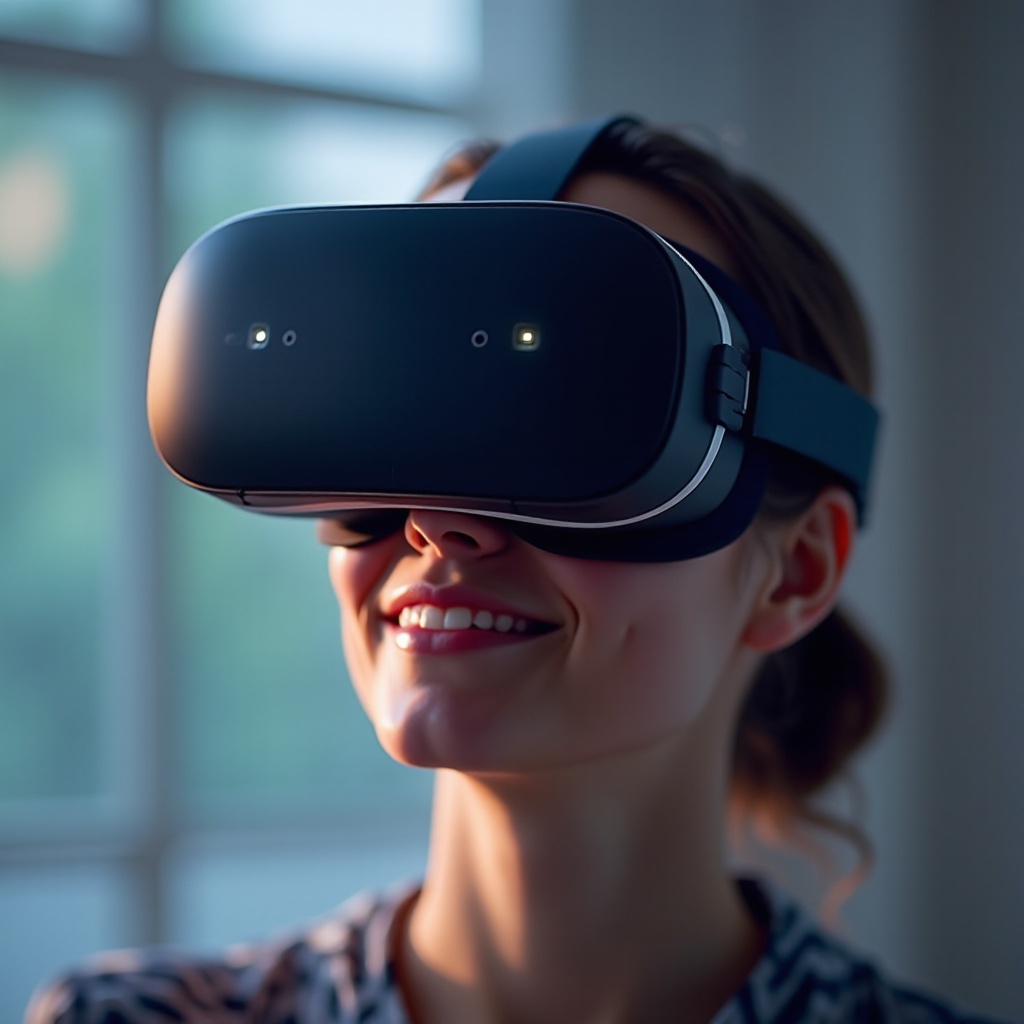
3D audio technology in VR is crucial for creating compelling experiences. This includes spatial audio that tracks head movement to replicate realistic soundscapes. When sounds seem to emanate from specific directions, the virtual environment feels significantly more real.
Synergy Between Audio and Face Tracking
When combined, high-fidelity audio and face tracking work together to create an immersive virtual environment. This synergy brings authentic communication and greatly enriches interactive applications like gaming and virtual tours, making experiences feel seamless and lifelike.
The Future of VR Headsets with Face Tracking
Upcoming Innovations
The future of face tracking in VR promises even more advancements. The potential for integrating AI with face tracking can provide more sophisticated interpretations of facial expressions, improving real-time interactivity and responsiveness.
Industry Predictions
The addition of eye-tracking technologies alongside face tracking is expected to push user engagement to new heights. As these technologies become more mainstream, the cost will likely decrease, making them accessible to a broader audience. The future vision for VR involves creating experiences that are increasingly indistinguishable from reality.
Conclusion
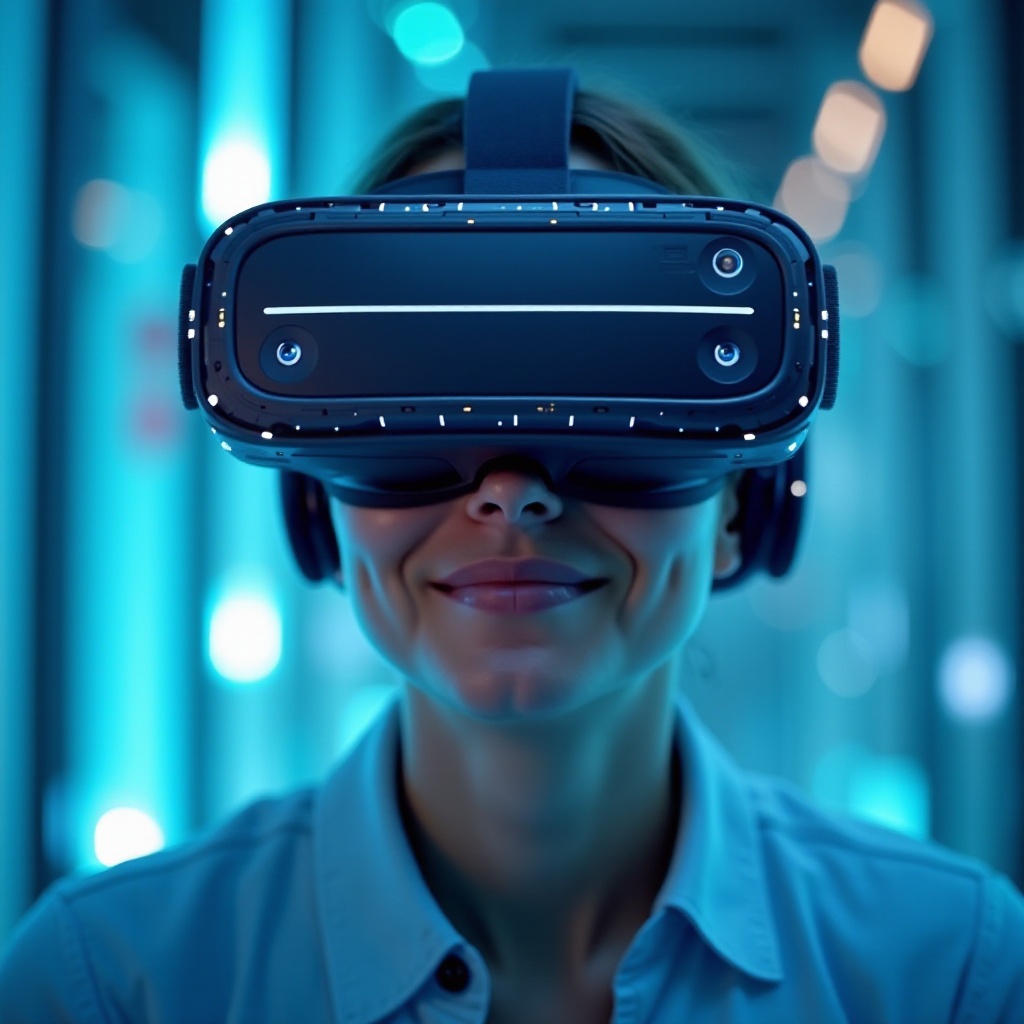
As VR technology evolves, the development of face-tracking capabilities is driving immersive experiences to new horizons. By offering precise facial recognition, modern VR headsets are transforming user interactions within virtual spaces. As more industries adopt this technology, expect wider access to these revolutionary VR headsets with face tracking.
Frequently Asked Questions
What are the benefits of face tracking in VR headsets?
Face tracking enhances user experience by capturing facial expressions in real-time, allowing for more immersive and interactive virtual environments.
How does face tracking affect VR headset prices?
While face tracking increases the technological complexity, costs are expected to decline as the technology becomes more widespread and mainstream.
Can I use existing headphones with face-tracking VR headsets?
Most VR headsets with face tracking are compatible with third-party headphones, enabling users to enjoy high-quality audio experiences.