
Electricity powers almost everything in our daily lives, from lighting our homes to charging smartphones. Yet, many people don’t fully understand a key part of it: voltage, measured in volts. Understanding volts is crucial because it helps us use electrical devices safely, choose the right equipment, and prevent accidents. Voltage is not the same as electricity itself, but it is a measure of electric potential. Think of it like water pressure in a pipe: higher pressure pushes water faster, just as higher voltage “pushes” electric charge through a circuit. Knowing how volts work can prevent equipment damage, improve energy efficiency, and even save lives. In this guide, we’ll explain what volts are, how they work in everyday life, why they matter, and address common misconceptions. By the end, you’ll have a clear understanding of this essential electrical concept and how it affects the devices and systems you use every day.
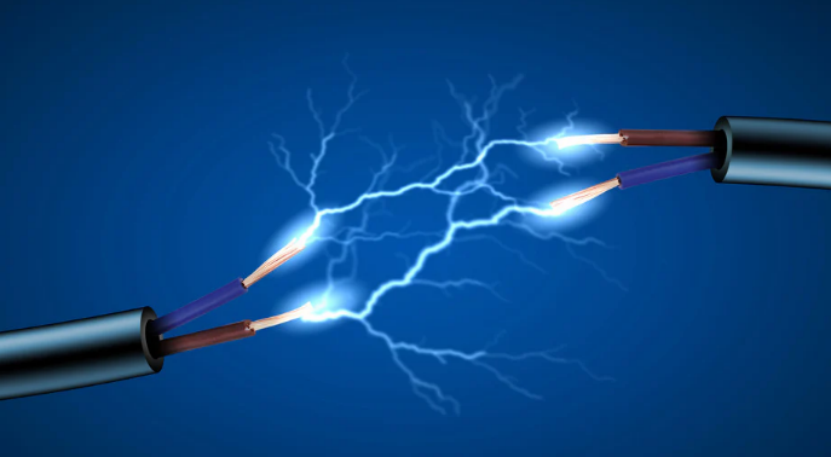
What Is Voltage? (V) – The Basics of Volts
Definition of Volts & Voltage
Voltage, or electric potential difference, is the force that pushes electric charges through a conductor. Its unit of measurement is the volt (V). One volt is defined as the potential difference needed to move one ampere of current against one ohm of resistance. In simpler volts units, it tells us how strong the “push” of electricity is in a circuit.

Electric Potential Difference Explained
Think of voltage like height in a waterfall. Water naturally flows from higher ground to lower ground, just as electric charges flow from high potential to low potential. The greater the difference in “height,” the faster the water flows. Similarly, higher voltage results in a stronger push of electrons through wires.
How Volts Relate to Current & Energy
Voltage alone doesn’t do work—it works with current, measured in amperes. Current is the flow of electric charge, while voltage is the push behind it. Together, they determine how much energy a device receives. Electrical energy, measured in watts, is the product of voltage and current. Understanding this relationship is essential for using devices safely and efficiently.
How Volts Work in Real Life
Volts and Everyday Devices
Every device you use has a voltage requirement. For example, standard household batteries come in 1.5 volts or 9 volts. Devices like laptops or microwaves have specific voltage ratings to function correctly. Using a voltage that is too high or too low can damage devices or prevent them from working.
Standard Voltage Levels Around the World
Voltage levels vary globally. Most homes in the United States use 120 volts, while many countries in Europe and Asia use 220–240 volts. Knowing the voltage of your power supply is crucial, especially when using international appliances. Voltage converters are often necessary to match devices with local power supplies safely.
AC vs DC Voltage
Voltage can be direct current (DC) or alternating current (AC). DC voltage, like that from a battery, flows in one direction. AC voltage, like household electricity, alternates direction many times per second. Both types of voltage serve different purposes and are essential for powering different devices. Understanding the difference helps in selecting proper equipment and avoiding electrical hazards.
Why Volt Units Matter – 5 Key Reasons
Safety & Proper Ratings
Knowing voltage is crucial for safety. Using a device at the wrong voltage can cause overheating, fires, or electric shocks. Always check the voltage rating before plugging in equipment.
Device Compatibility
Voltage ensures devices function correctly. A low voltage may cause a device to underperform, while too high voltage can damage internal components. Using the correct voltage extends device lifespan.
Power Transmission Efficiency
Electricity travels over long distances through power lines. Higher voltage reduces energy loss, making transmission more efficient. This principle is why power plants generate electricity at thousands of volts before it’s reduced for home use.
System Performance & Longevity
Proper voltage ensures devices operate as intended. Motors, lights, and electronics all rely on the right voltage to run efficiently. Incorrect voltage can reduce performance and lead to premature failure.
Troubleshooting Electrical Problems
Voltage measurement is a key diagnostic tool. By checking voltage levels, you can identify issues like faulty wiring, low battery charge, or power supply problems. Understanding volts allows technicians and users to troubleshoot effectively.
Conclusion
Volts are a fundamental part of electricity, measuring the force that pushes electric charges through a circuit. Understanding voltage helps you use devices safely, maintain electrical systems, and troubleshoot problems effectively. From household batteries to high-voltage power lines, volts affect almost every aspect of modern life. By learning how volts work, you can avoid common mistakes like using incompatible devices, prevent electrical accidents, and improve energy efficiency. Remember that voltage alone doesn’t define power—current and resistance also play critical roles. Whether you’re an electronics hobbyist, a homeowner, or just curious about how electricity works, knowing what volts are and why they matter gives you a solid foundation for safely navigating the electrical world. Always check voltage ratings, understand the type of current in use, and respect safety guidelines. With this knowledge, you can confidently interact with electrical devices and systems while protecting yourself and your property.
Visited 1 times, 1 visit(s) today